
Post-traumatic stress disorder (PTSD) is a mental health condition that develops in some people who have experienced a traumatic event.
Anyone who has witnessed or experienced a traumatic event can get PTSD. Some potential causes of PTSD include war, an assault or an accident.
One group for which PTSD is prevalent is veterans.
People of all ages can be affected. Those who have PTSD often experience feelings of fear or stress, even when there is no danger present.
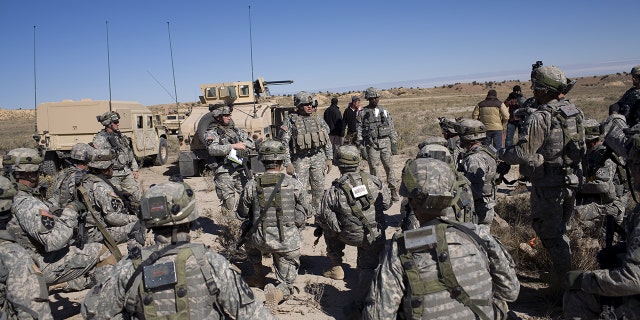
One group of people for which PTSD is prevalent is veterans. (Robert Nickelsberg/Getty Images)
- What are the symptoms of PTSD?
- How do you recover from PTSD triggers?
- What is the treatment for PTSD?
1. What are the symptoms of PTSD?
The symptoms of PTSD generally fall into four main categories.
- Re-experiencing
- Avoidance
- Changes in thinking/mood
- Changes in both physical and emotional reactions
One of the most common re-experiencing symptoms is a flashback. A flashback is when aspects of the traumatic event are relived, making one feel like the past event is happening at that moment.
Some other re-experiencing related symptoms are intrusive thoughts, nightmares and recurring memories related to the event. All of these things can cause physical changes to the body like pain, sweating, nausea and trembling.
CLICK HERE TO SIGN UP FOR OUR LIFESTYLE NEWSLETTER
Lastly, there are symptoms that revolve around changes in physical and emotional reactions.
These symptoms include panicking when reminded of trauma, getting upset easily, being overly alert, showing aggressive behavior, having a hard time concentrating, feeling jumpy, having a hard time sleeping, always being on guard, exhibiting self-destructive behavior and being easily frightened.
3. What is the treatment for PTSD?
Not everyone who has PTSD needs medical treatment because, for some, the symptoms start to go away over time.
For others, the symptoms do not go away and treatment is needed.
CLICK HERE TO GET THE FOX NEWS APP