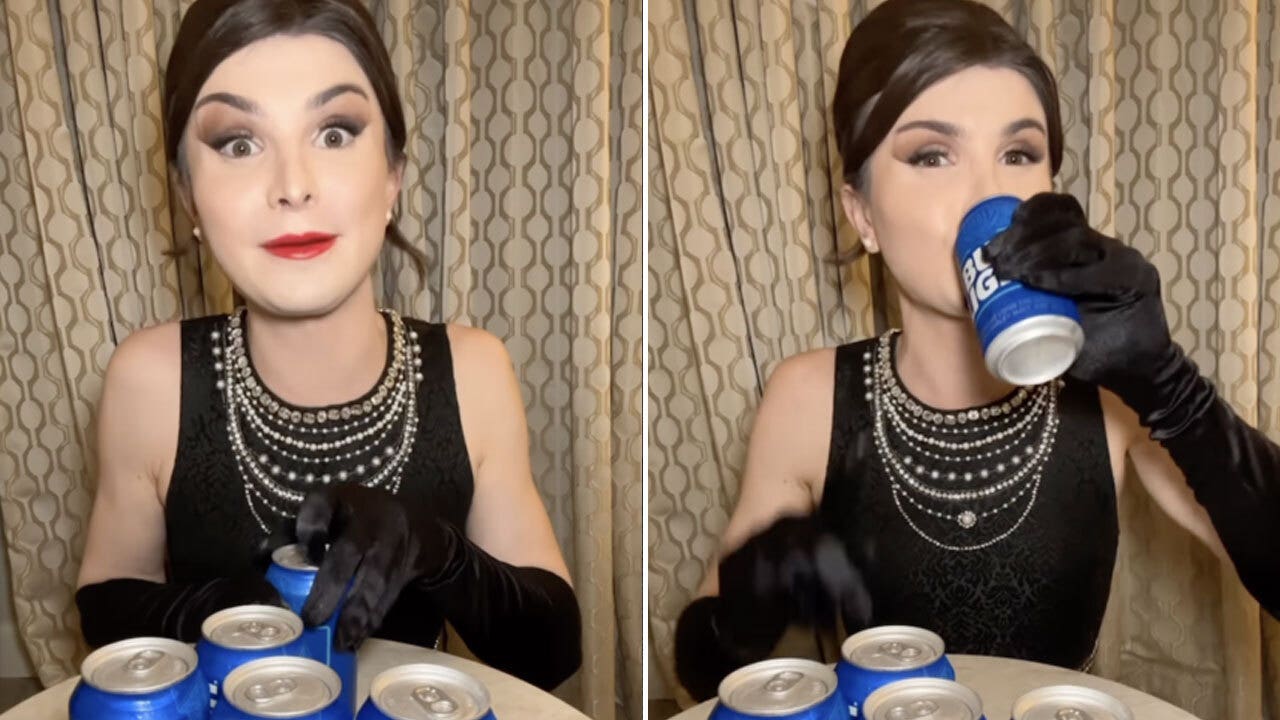
Bud Light has been dethroned, relinquishing the crown after its two-decade reign as America’s best-selling beer came to an end last week.
Its fall from grace is no surprise. The backlash from Bud Light’s controversial partnership with Dylan Mulvaney has been plaguing the company for months. Anheuser-Busch’s bungled response hasn’t helped.
Initially, the company made a massive blunder with its CEO’s flat response that neither mentioned the controversy nor apologized for it. Since then, it’s effectively doubled down on its “nothing to see here” strategy, remaining virtually silent despite a persistent 25% drop in sales and billions of dollars in lost market value.
GARTH BROOKS CONTROVERSY: BUD LIGHT DRAMA FOLLOWS SUPER BOWL WALKOUT
But that’s not all that happens. Participants also get to ask questions and ask questions they will. Shareholders can hold Bud Light accountable in a way that its customers can’t. And they have the chance to do so before Anheuser-Busch’s head-in-the-sand strategy causes more precipitous declines.
There’s little doubt that the company is in jeopardy of failing to meet its projections. In 2021, CEO Michel Doukeris told shareholders to expect 4-8% annual EBITDA (Earnings Before Interest Taxes Depreciation and Amortization) growth from 2022-2025.
This was a relatively unambitious target, in line with the historical 6% earnings growth in the five years pre-COVID-19, now barely outpacing inflation. It should have been a layup.
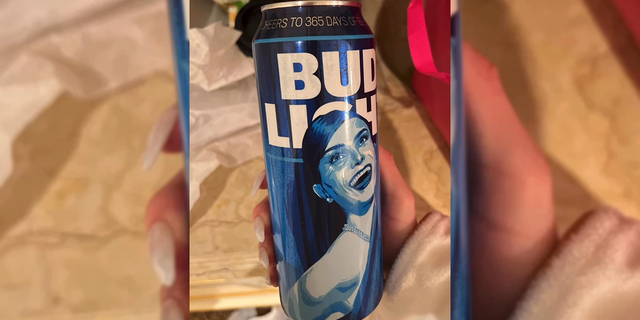
A picture of the commemorative Bud Light can featuring TikTok influencer Dylan Mulvaney. (Dylan Mulvaney/Instagram)
On April 1, a single Instagram post changed everything. U.S. sales tanked and haven’t recovered.
Anheuser-Busch’s stock declined over 10%. By comparison, the S&P 500 is up 7% and Molson Coors, Anheuser-Busch’s largest rival, is up almost 30%.
During the company’s first quarter earnings call in May, Doukeris projected confidence that Anheuser-Busch could still deliver on its humble 2023 earnings goal. He also downplayed the Bud Light controversy, claiming “[i]t’s too early to have a full view on the impact” and noted that the company has navigated prior challenges, including temporary beer sales bans in certain countries during COVID-19.
Five analysts have already cut Anheuser-Busch’s ratings and the Wall Street consensus is that the company’s 2023 earnings growth will decrease from 7.4% to 6.5%. More ratings and projections cuts are likely.
The only way to stop the bleeding is for Anheuser-Busch to disclose clear plans on how it intends to regain Bud Light sales. Bud Light represents 30% of the company’s US earnings, which itself constitutes 30% of global sales. That means Bud Light alone represents around 9% of total sales.
Analysts must also dig deeper: “What financial trade-offs is Anheuser-Busch making to fund the support for Bud Light?” Talk may be cheap, but the kind of damage control Anheuser-Busch is pursuing costs a pretty penny.
The company is shelling out hundreds of millions of dollars it wasn’t planning to spend on rebates, advertising, sales rep compensation and freight reimbursements — all while sales are plummeting. This money is coming from somewhere.
CLICK HERE TO GET THE OPINION NEWSLETTER
CLICK HERE TO GET THE FOX NEWS APP
Retaining idle workers is an expensive strategy, and one that can only last so long; staking a PR campaign on it is a risky endeavor. In the end, Anheuser-Busch’s latest PR move appears to be more of the same — try anything, so long as it doesn’t involve addressing the controversy directly — rather than part of a long-term strategic plan.
Anheuser-Busch has a lot to answer for. If the company has not yet figured out how to respond, it needs to do so now, because come July 28, there will be no hiding from shareholders.