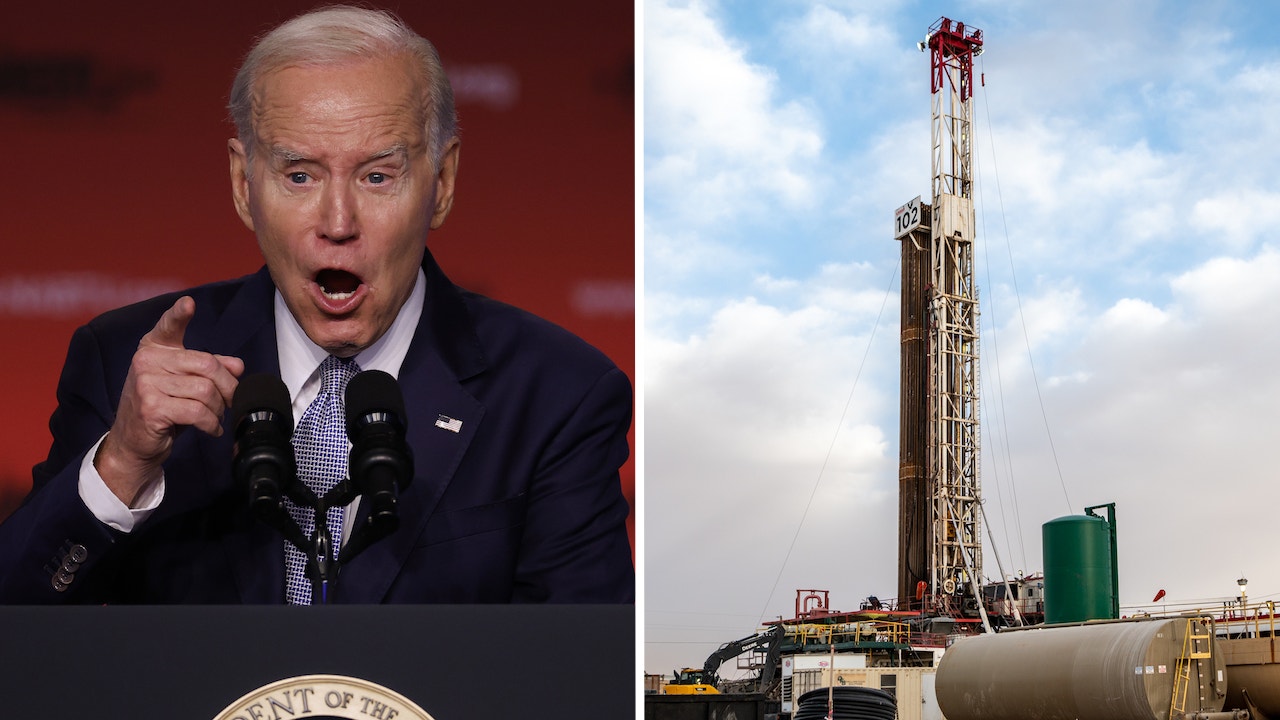
The Biden administration is moving forward with a 20-year ban on new oil and gas leasing near an Indigenous cultural site in New Mexico despite stark opposition from Native Americans in the region.
Interior Secretary Deb Haaland finalized the action Friday which bans fossil fuel and mineral leasing within a 10-mile buffer zone around the Chaco Culture National Historical Park in northwestern New Mexico. The ban ultimately amounts to a withdrawal of approximately 336,404 acres of public lands from mineral leasing near the site some Native Americans consider sacred.
“Today marks an important step in fulfilling President Biden’s commitments to Indian Country by protecting Chaco Canyon, a sacred place that holds deep meaning for the Indigenous peoples whose ancestors have called this place home since time immemorial,” Haaland said in a statement.
“The exceptional landscape in the Greater Chaco region has profound cultural importance,” Bureau of Land Management (BLM) Director Tracy Stone-Manning added. “Today’s announcement marks an important step in ensuring Indigenous voices help inform the management of our public lands.”
In 2021, Navajo Nation President Jonathan Nez and Vice President Myron Lizer penned a letter to President Biden, warning it would have a “devastating impact” on tribal members who have a financial interest in drilling in the area. And last year, the San Juan County, New Mexico, board of commissioners passed a resolution opposing the DOI administration proposal.
TOP BIDEN OFFICIAL SUGGESTS THERE ARE TOO MANY JOBS WHILE DEFENDING CLIMATE AGENDA IN TENSE EXCHANGE
While DOI stated Friday that the action won’t impact existing leases or production on those leases, opponents of the buffer zone said it would indirectly make Indian-owned allotments worthless. In their 2021 letter, Nez and Lizer wrote that extracting fossil fuels from existing often requires “horizontal lateral crossing of two to four miles of subsurface” through federal land impacted by a ban.
Overall, there are currently 53 Indian allotments located in the so-called 10-mile buffer zone around Chaco Canyon, generating $6.2 million per year in royalties for an estimated 5,462 allottees, according to Navajo Nation data. In addition, there are 418 unleased allotments in the zone that are associated with 16,615 allottees.
According to the Western Energy Alliance, an industry group that represents producers in the area, if the proposal is finalized and implemented, Navajo members would lose an estimated $194 million over the next 20 years.
The Western Energy Alliance has previously expressed concern that Haaland is a member of a Puebloan tribe, the Laguna Pueblo, that has advocated for the buffer zone. Haaland’s daughter Somah is a member of the Pueblo Action Alliance, a New Mexico-based environmental and cultural group that has also advocated for the policy.
In its announcement, DOI said Haaland finalized the action after “significant consultation with Tribal Nations.” It also noted that agency officials met with Navajo allotment holders several times in over the last two years.