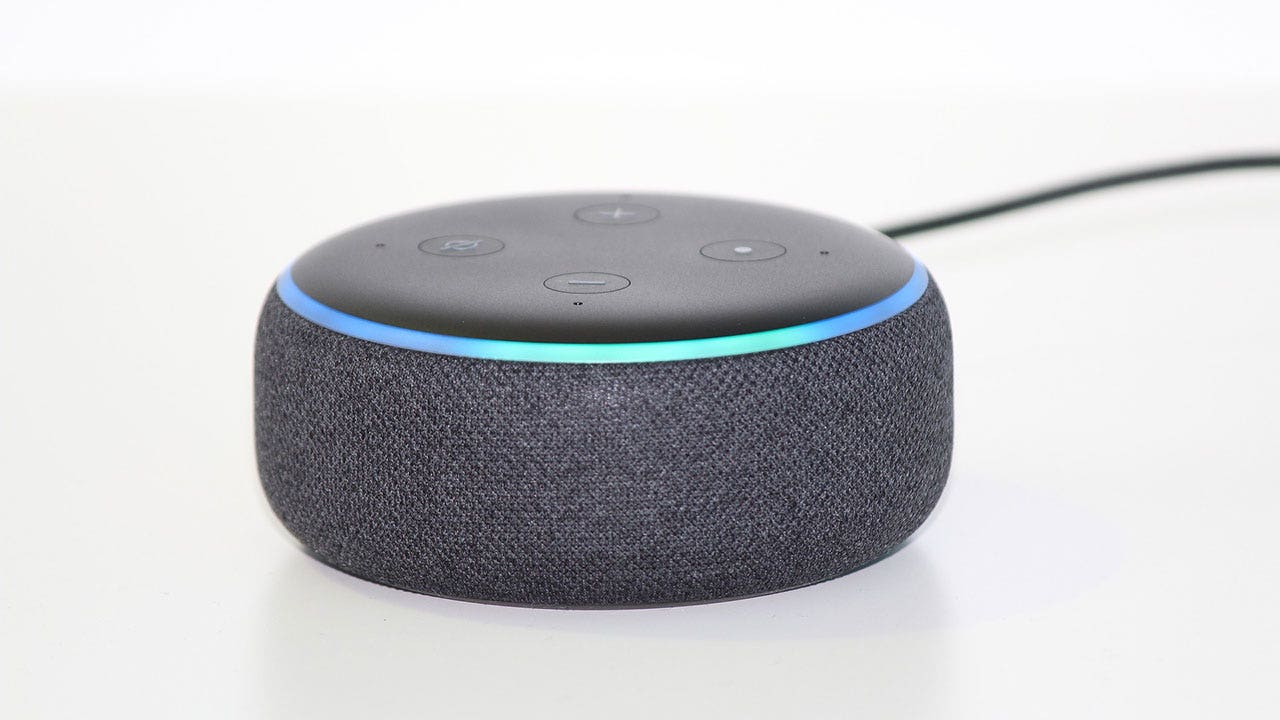
It might be some time before we see the futuristic concept of artificial intelligence that is depicted in science fiction novels and films come about in real life, but AI is still all around us. Most homes have some form of voice assistant gadget, such as an Alexa smart home device or Siri assistant on an iPhone. These machines have developed the ability to learn and respond in a way similar to humans’ cognitive abilities, all thanks to artificial intelligence algorithms.
Are Alexa and Siri considered AI?
Yes. Alexa and Siri are applications powered by artificial intelligence. They rely on natural language processing and machine learning, two subsets of AI, to improve performance over time.
Amazon’s Alexa is a voice-controlled system that works alongside the Echo speaker that receives the spoken request. The artificial intelligence capability within Alexa allows the user to speak the request and receive a response without ever having to touch a screen or push a button.
Apple’s Siri acts similarly to Alexa, but it is a computer application primarily used in the company’s phones and tablets. Its artificial intelligence mechanism recognizes speech, processes it as data, and then responds with an answer or action. Siri can answer questions and fulfill requests, such as reading a text message out loud or playing a song on the device.
Natural Language Processing in Alexa and Siri
Natural language processing (NLP) allows a voice assistant machine, like Alexa and Siri, to understand the words spoken by the human and to replicate human speech. This process converts speech into sounds and concepts, and vice versa.
For Alexa, the voice of the speaker is recorded and sent to Amazon’s servers to analyze which words most closely correlate with the sounds spoken. Once the command is understood, Amazon then sends the requested information back to the device and in some cases, Alexa will speak a response.
Alexa and Siri use machine learning to improve based on the errors they make. They use data from negative encounters, such as the speaker rejecting an answer, to train and improve for future requests. Because of machine learning, these devices continue to get smarter and more advanced. Alexa can now carry on a conversation from one request to the next, as in a follow-up question. Siri has improved its ability to recognize the “Hey Siri” wake up command even when there is loud background noise or music.
What level of AI are Siri and Alexa?
There are two different categories of AI: strong AI and weak AI. Voice assistants like Siri and Alexa are classified as weak AI. This type of AI, also referred to as narrow AI, gives the illusion of human intelligence but cannot think for itself. Strong AI, in contrast, would be an AI machine that is equal in intelligence to a human.
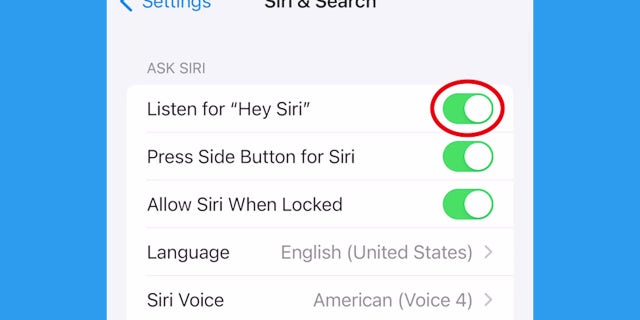
A speech recognizer is stored in the iPhone device to listen for the “Hey Siri” voice command. (Kurt Knutsson)
What does the future hold for voice assistants?
Initially, Alexa and Siri were revolutionary companions in most households. They acted as futuristic and convenient methods of completing tasks and gathering information. Since then, the development of these machines have been minimal and users become frustrated with the lack of contextual language capabilities that they offer. With innovations in conversational AI, such as ChatGPT, voice assistants have not evolved to the degree they would need to remain competitive.